Hospital-acquired infections (HAIs), also known as healthcare-associated infections, remain an important patient safety concern for hospitals, clinics, and healthcare facilities. These infections can develop during the delivery of healthcare and may lead to complications, longer hospital stays, and increased healthcare costs.
Preventing these infections requires a comprehensive approach that includes hand hygiene, environmental cleaning, safe injection practices, appropriate personal protective equipment (PPE), and the correct use of medical devices.
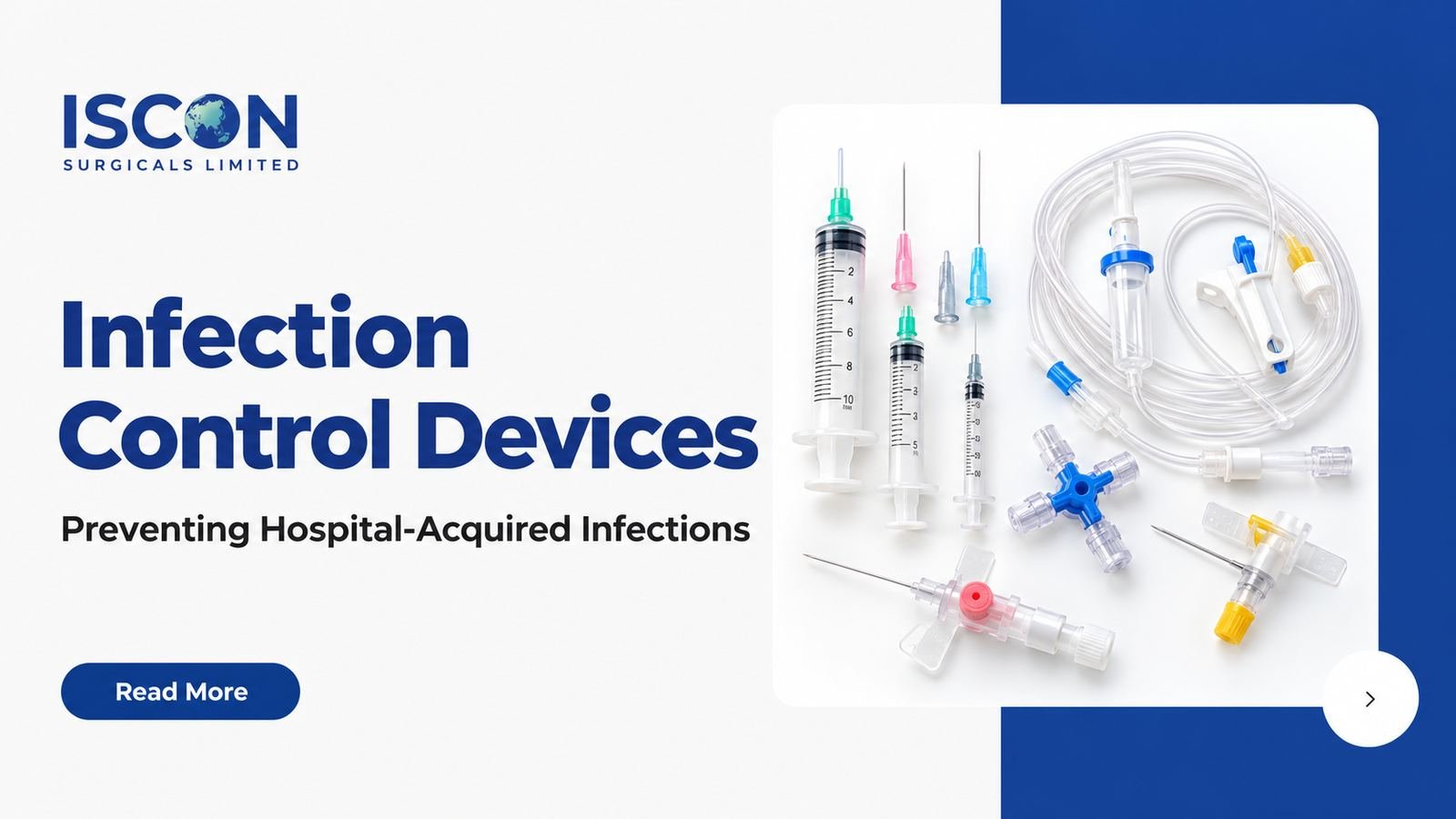
Infection control devices play an important role in supporting safe clinical practices and reducing opportunities for cross-contamination. Products such as disposable syringes, hypodermic needles, IV cannulas, and infusion sets are widely used in routine patient care.
Healthcare facilities must select appropriate medical devices and follow established infection prevention protocols to support patient safety.
In this article, we explore the role of infection control devices, common medical products used in healthcare settings, and the factors hospitals should consider when choosing a medical device manufacturer in India.
What Are Hospital-Acquired Infections?
Hospital-acquired infections are infections associated with receiving healthcare that were not present or incubating when care began. They can occur in hospitals and other healthcare settings.
Common examples include:
- Surgical site infections: Infections that develop following surgical procedures.
- Catheter-associated infections: Infections associated with certain urinary or intravascular catheters.
- Bloodstream infections: Infections that may occur when microorganisms enter the bloodstream.
- Respiratory infections: Infections that can spread through respiratory droplets, aerosols, or contaminated equipment, depending on the pathogen.
- Injection-related infections: Infections associated with unsafe injection practices or contaminated equipment.
These infections may have several contributing factors, including inadequate hand hygiene, contaminated equipment, improper device handling, and insufficient reprocessing of reusable medical instruments.
The World Health Organization (WHO) recommends standard infection prevention and control precautions to reduce the transmission of microorganisms between patients, healthcare workers, and the surrounding environment.
Healthcare facilities can refer to the WHO guidance on standard precautions for further information.
Why Are Infection Control Devices Important in Healthcare?
Medical devices are used for injections, intravenous therapy, blood transfusions, respiratory care, and many other clinical procedures. Products that come into contact with blood, body fluids, or normally sterile areas require appropriate handling and use.
1. Reducing Cross-Contamination
- Cross-contamination occurs when microorganisms are transferred between patients, healthcare workers, medical equipment, or environmental surfaces.
- Using sterile, single-use medical devices for their intended purpose helps reduce the risks associated with inadequate reprocessing between patients.
- Healthcare professionals must follow product instructions, maintain aseptic technique, and dispose of used devices appropriately.
2. Supporting Safe Injection Practices
- Disposable syringes and hypodermic needles are essential for safe medication administration and vaccination.
- A new sterile syringe and needle must be used for each injection and each patient. Used injection equipment must never be reused.
- Safe medication preparation, appropriate handling of injection equipment, and immediate disposal of used sharps are equally important.
Read the CDC guidance on safe injection practices for additional recommendations.
3. Supporting Safer Intravenous Therapy
- IV cannulas and infusion sets are used to deliver fluids and medications. Since these procedures involve vascular access, appropriate insertion technique, hand hygiene, aseptic connections, and ongoing site care are essential.
- Selecting suitable medical devices and following clinical protocols helps reduce preventable contamination risks during intravenous therapy.
4. Protecting Healthcare Professionals
- Healthcare workers may be exposed to blood and other potentially infectious materials during patient care.
- Appropriate PPE, safety-engineered devices where indicated, correct sharps disposal, and established occupational safety procedures help reduce exposure risks.
5. Supporting Consistent Clinical Practices
- Medical devices manufactured and supplied according to applicable requirements help healthcare professionals carry out routine procedures using products suitable for their intended purpose.
- Quality assurance, appropriate packaging, clear instructions, and traceability are important considerations when selecting medical devices.
Types of Infection Control Devices Used in Hospitals
Different medical devices support infection prevention during different clinical procedures. Product selection should depend on the intended use, applicable standards, and clinical requirements.
1. Disposable Syringes and Hypodermic Needles
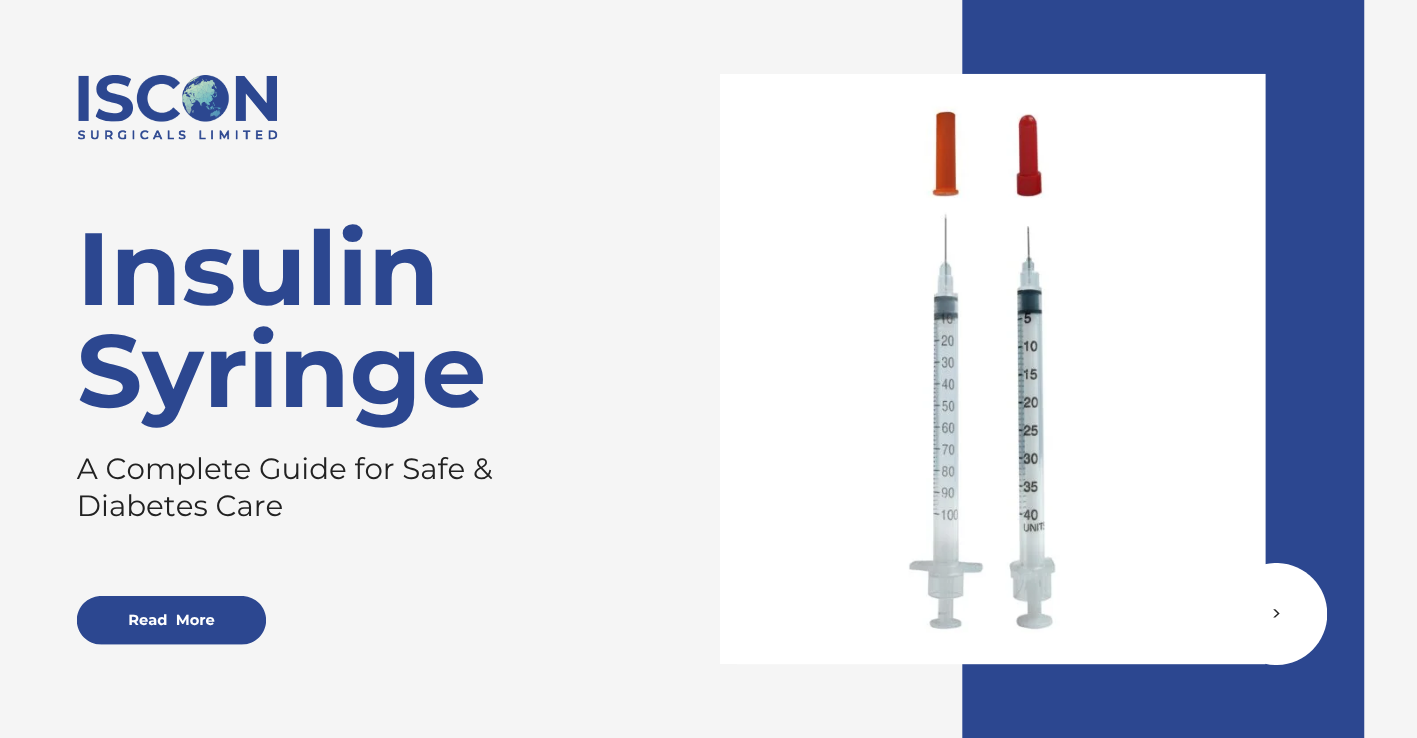
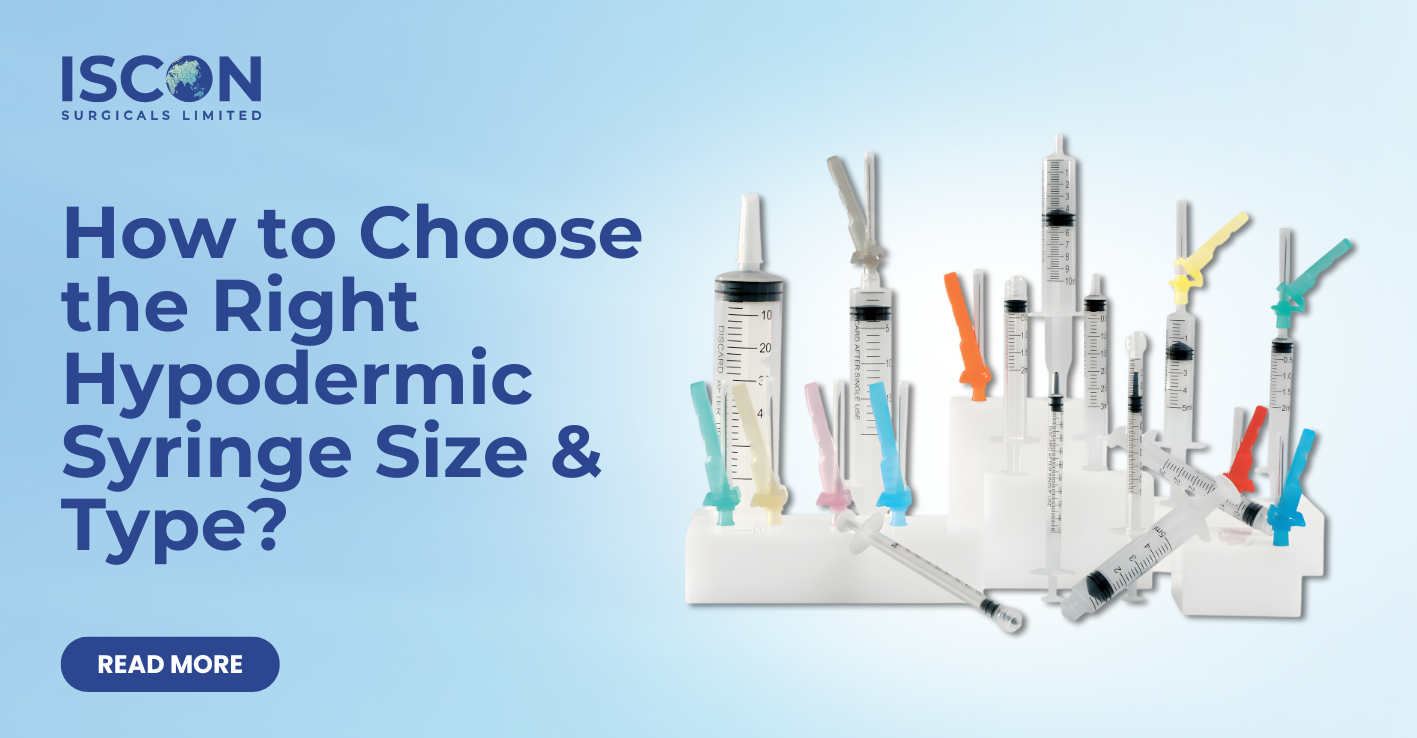
Disposable syringes and hypodermic needles are used for administering medications, vaccinations, and other prescribed injections. Sterile, single-use products support safe injection practices when used correctly.
Healthcare facilities should ensure that each injection uses new sterile equipment, medication is prepared using aseptic technique, and used sharps are discarded in appropriate containers. Explore disposable hypodermic syringes and hypodermic needles from ISCON Surgicals.
2. Intravenous (IV) Cannulas
IV cannulas provide vascular access for administering prescribed fluids and medications. Insertion and maintenance require hand hygiene, appropriate skin antisepsis, aseptic technique, and regular assessment of the insertion site according to clinical protocols.
Correct selection and handling of IV cannulas form part of a broader strategy for reducing catheter-associated infection risks. Explore Iscon’s IV Cannula and Scalp Vein Set range.
3. Infusion Sets
Infusion sets deliver intravenous fluids and compatible medications from a container to a patient’s vascular access device. Depending on the design, components may include tubing, a drip chamber, a flow regulator, connectors, and an access port.
Maintaining sterile connections, following the manufacturer’s instructions, and using compatible components are important for reducing contamination risks during infusion therapy.
Learn more in Iscon’s Infusion Set: Types, Components, Uses and How to Choose the Right One guide.
4. Blood Transfusion Sets
Blood transfusion sets are designed to administer blood and blood components under appropriate clinical supervision. Healthcare professionals must follow established transfusion protocols, verify patient and blood product identification, maintain aseptic technique, and use appropriate equipment.
Explore Iscon’s Disposable Infusion and Transfusion Set range.
5. Three-Way Stopcocks and IV Connectors
Three-way stopcocks allow fluid flow to be controlled or redirected within compatible intravenous systems. Their access points and connectors require careful handling because contamination may introduce microorganisms into the fluid pathway.
Healthcare professionals should follow established protocols for disinfecting access ports, maintaining aseptic connections, and replacing components when required.
Explore three-way stopcocks from Iscon Surgicals.
6. Respiratory Care Devices
Respiratory care devices support oxygen delivery, airway management, and other respiratory procedures, depending on the product. Appropriate device selection, correct handling, and cleaning or disinfection of reusable equipment according to manufacturer instructions are essential.
Healthcare facilities should distinguish between single-use and reusable products and follow the relevant instructions for each.
7. Disposable Surgical Products
Surgical procedures require strict aseptic practices to reduce surgical site infection risks. Appropriate sterile disposable products support controlled procedural conditions. Products should be inspected for packaging damage and used according to their intended purpose.
Disposable products do not replace environmental cleaning, surgical asepsis, or appropriate sterilization of reusable instruments
How to Choose a Reliable Medical Device Manufacturer in India?
Hospitals, distributors, and procurement teams should evaluate several factors before selecting a medical device supplier.
- Product range: Check whether the manufacturer supplies the products required for your clinical applications.
- Quality assurance: Review relevant quality certifications, manufacturing controls, and product specifications.
- Regulatory compliance: Verify applicable approvals and requirements for the product and destination market.
- Sterility and packaging: Check sterilization status, packaging integrity, labelling, and shelf-life information where applicable.
- Documentation and traceability: Assess product documentation, batch identification, and instructions for use.
- Supply reliability: Evaluate manufacturing capacity, delivery timelines, and ongoing supply support.
- Commercial suitability: Compare specifications, pricing, order quantities, and service support without compromising quality or safety.
These considerations help healthcare buyers make informed procurement decisions.
Explore Medical Devices from Iscon Surgicals
Iscon Surgicals manufactures a range of single-use medical devices used in routine healthcare and clinical procedures.
Its product portfolio includes disposable hypodermic syringes, hypodermic needles, infusion and transfusion sets, IV cannulas, three-way stopcocks, and other medical products.
Hospitals, distributors, and healthcare procurement teams can explore the product range and assess the suitability of individual products for their requirements.
Visit our Iscon Surgicals website to explore available product categories.
For product enquiries, specifications, and procurement discussions, Contact Iscon Surgicals.
Frequently Asked Questions (FAQs)
Infection control devices are medical products and equipment that support practices intended to prevent or reduce the transmission of infectious microorganisms during healthcare procedures.
Appropriate medical devices can reduce opportunities for contamination during injections, intravenous therapy, blood transfusions, and other clinical procedures when used correctly alongside infection prevention protocols.
Examples include sterile disposable syringes and needles, IV cannulas, infusion sets, appropriate respiratory care products, and protective equipment.
Hospitals should assess product suitability, quality assurance, applicable regulatory compliance, sterility, packaging, traceability, documentation, and supply reliability.
Healthcare buyers can visit the Iscon Surgicals website to explore medical device categories and contact the company with product enquiries.
Conclusion
Hospital-acquired infections remain an important patient safety concern. Infection control medical devices support safer clinical procedures when selected appropriately and used in accordance with established protocols.
Disposable syringes, hypodermic needles, IV cannulas, infusion sets, and transfusion sets are among the products used in routine patient care. Their role in infection prevention depends on appropriate product quality, sterility where required, safe handling, and correct disposal.
Combining appropriate medical devices with hand hygiene, aseptic technique, safe injection practices, staff training, and environmental cleaning helps healthcare facilities strengthen infection prevention practices.
For hospitals and distributors looking for medical device products, ISCON Surgicals provides a range of options to explore based on clinical and procurement requirements.